Definition and Importance
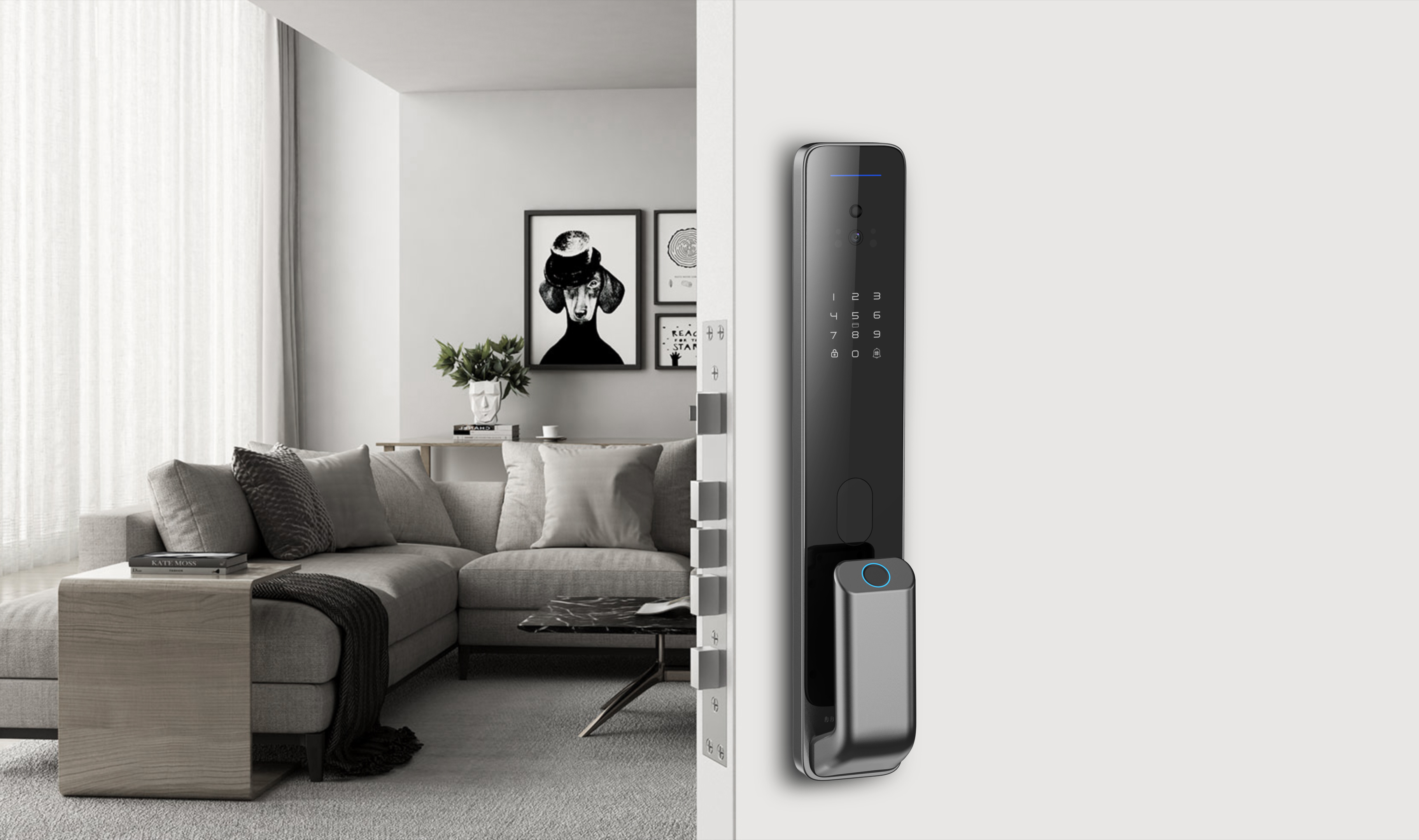
A smart door lock is an electronic access control device that uses digital credentials, embedded sensors, and secure connectivity to authenticate users and manage entry events in real-time, aligning with IoT security best practices recommended by NIST.
In large-scale real estate projects and smart home manufacturing, smart door locks streamline resident move-ins, service access, and maintenance workflows while enhancing auditability and compliance. For real estate developers and facility managers, smart door locks reduce re-keying frequency, centralize access management, and elevate the tenant experience.
 -
-Functional Breakdown
Core Capabilities
- Multi-factor authentication: PIN codes, RFID cards/fobs, biometric options, and mobile keys, delivering a digital door lock experience; credential models align with access control practices recognized by UL and ANSI.
- Connectivity: Low-power mobile keys use BLE (Bluetooth SIG), direct cloud functions use Wi-Fi, and hub-based building networks use Zigbee/Matter (Connectivity Standards Alliance).
- Security: Device identity, secure provisioning, encrypted channels (e.g., IP-based TLS), and tamper detection; compliant with IoT baselines promoted by NIST.
- Power and Reliability: Battery-powered, low-power radio modes, door status sensing, and fail-safe mechanical emergency override.
- Management: Role-based access control, scheduling, audit trails, alerts, and over-the-air updates via gateway or cloud.
- Integration: REST/GraphQL API and webhook events integrate with building platforms, property management systems, and home automation controllers.
In multi-unit buildings, smart door locks centrally enforce policies (residents, staff, contractors), support temporary access windows, and automate personnel turnover. Analysts emphasize that smart building platforms are key drivers for operational efficiency, McKinsey has also explored this trend.
Architecture and Components
 -
-
Layered System Overview
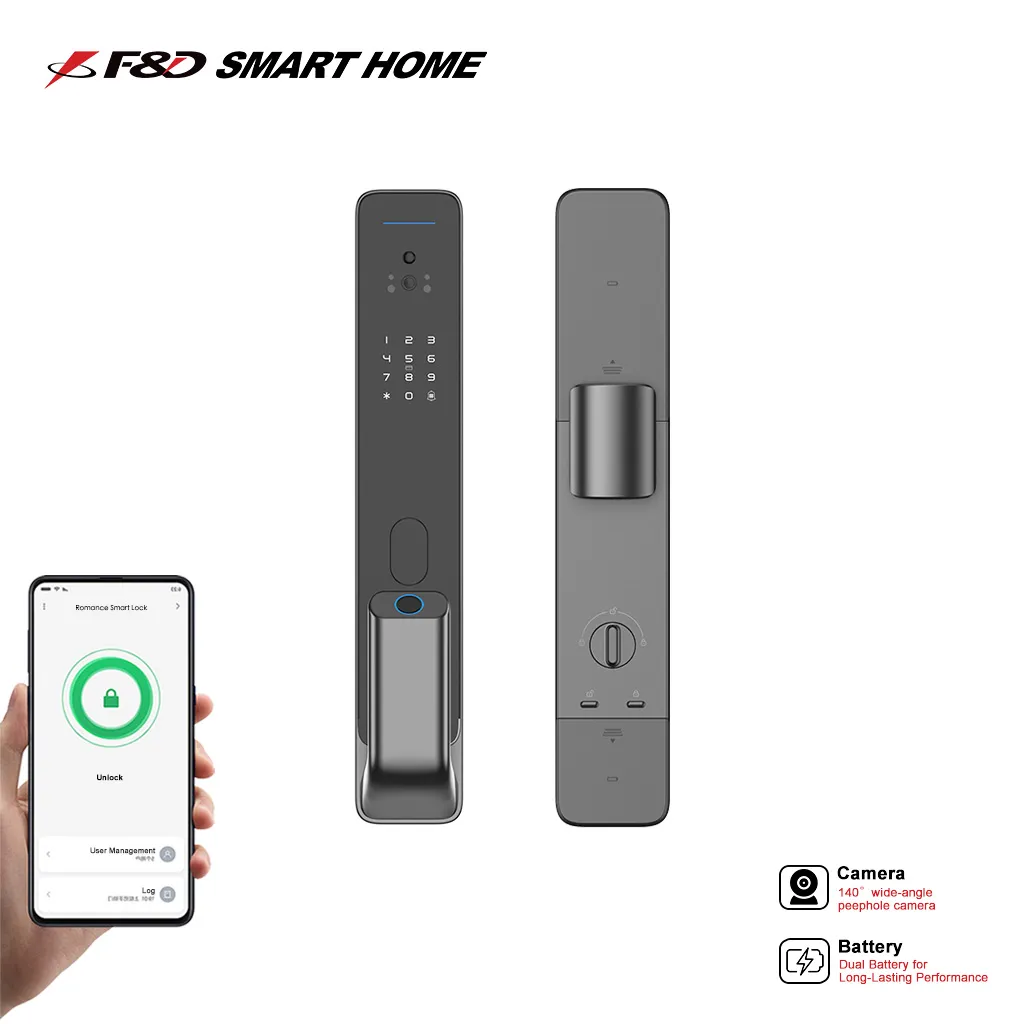
Smart door locks integrate hardware, firmware, connectivity, and services to deliver secure, manageable access at scale.
- Device Hardware: Mortise/deadbolt mechanisms, motor/actuators, secure elements, sensors (door/lock status), local keypad/RFID.
- Firmware: Device identity, encryption, credential storage, local policies, and secure update logic.
- Connectivity: BLE, Wi-Fi, Zigbee/Matter; gateway/edge services for aggregation and offline recovery (CSA).
- Cloud and Management: Tenant directories, access rules, audit logs, alerts, dashboards, API.
- Applications: Resident mobile keys for digital door locks, staff tools, and building management integration.
Standard organizations and alliances provide assurance for security architecture choices—UL for access control equipment, ANSI/BHMA for lock performance, Bluetooth SIG for mobile keys, and CSA for interoperable smart home protocols (UL, BHMA, Bluetooth, CSA).
Common Types and Classifications
- Keypad Locks: PIN-based input; simple enrollment, strong auditability.
- RFID Card/Fob Locks: Convenient fast access for residents/staff; compatible with physical badges.
- Mobile Key Locks: BLE/Wi-Fi mobile credentials for a seamless digital door lock experience.
- Biometric Locks: Fingerprint or facial unlock; convenient and fast with strong identity binding.
- Networked Locks: Integrated Zigbee/Matter hub for centralized building control.
- Lock Types: Deadbolt, Mortise, Rim, and Lever, matching regional codes.
Selection depends on door type, network strategy, security policies, and integration requirements with property systems.
Value and Significance
- Operational Efficiency: Automate move-ins/move-outs, reduce manual re-keying, and minimize truck rolls.
- Security and Compliance: Consistent policy enforcement, role-based access control, and tamper-proof audit trails.
- Resident Experience: Mobile keys, time-bound visitor access, and real-time notifications.
- Integration: APIs and webhooks bind locks into building platforms for holistic monitoring and control.
- Scalability: Fleet management across multiple sites with centralized updates and analytics.
These results align with broader smart building digitalization trends discussed by Gartner and McKinsey.
Use Cases in Real Estate Projects
In multi-family residential projects, smart door locks streamline resident onboarding and staff workflows. Property managers can remotely issue mobile keys, contractors gain time-bound access, and auditors can review entry records. In rental communities, locks integrate with PMS/BMS for unified control; in serviced apartments, temporary credentials restrict cleaning and maintenance staff access times.
Industry case studies frequently highlight that digital authentication reduces lost key incidents and accelerates unit turnover—a theme of efficiency also covered in McKinsey reports.
Related and Expanded
To gain deeper insights into credential models, gateway selection, or fleet management, please contact our solutions team for customized guidance tailored to your project.
In the smart home manufacturing sector, Shenzhen Fenda Smart Home Co., Ltd. offers smart door lock solutions along with audio, health, and home automation products, providing OEM/ODM customization services to help real estate developers and facility managers integrate digital door locks into end-to-end building platforms and deliver measurable operational value.
When specifying products, please refer to standards and best practices established by the following authorities: UL, ANSI, BHMA, NIST and CSA.
FAQ
Q: Do smart door locks require cloud connectivity to operate in real estate deployments?
A: No. Core unlocking is performed locally via on-device policies and credentials; cloud connectivity supports remote management, analytics, and integration. This separation of local control and remote services follows IoT design principles widely recommended by the National Institute of Standards and Technology (NIST) and interoperability guidelines from the Connectivity Standards Alliance (CSA).