Definition and Importance
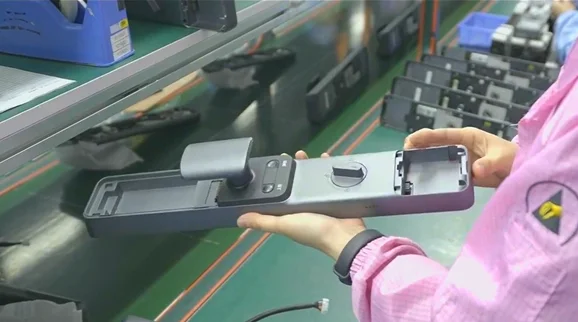
OEM and ODM customization services for smart lock manufacturing are collaborative delivery models: OEM builds brand-owned specifications on a manufacturer’s line, while ODM adapts manufacturer-owned designs for private labels—both enabling tailored hardware, firmware, connectivity, and compliance for modern home automation and Intelligent Door Lock solutions. Global trade frameworks
These service models are central to smart door locks and home automation solutions, aligning product-market fit, regulatory compliance, and rapid scaling across diverse channels and geographies.
Core Analysis
Feature and Attribute Breakdown (B1)
- Mechanical customization: housings, finishes, drive trains, clutch/mechanisms, and ingress protection tailored to door types and regional standards.
- Electronics and security: secure MCU, tamper detection, motor control, battery optimization, and hardware-based cryptography.
- Connectivity profiles: BLE, Zigbee, Wi‑Fi, and Matter for interoperable home automation; certifications guided by the Connectivity Standards Alliance. CSA Matter overview
- Firmware and app stack: OTA updates, key management, event logging, access policies, and cloud APIs for multi-tenant deployment.
- Quality and compliance: QMS aligned to ISO 9001; consumer IoT security practices mapped to ETSI EN 303 645 and NISTIR 8259 baselines. ISO 9001 · ETSI EN 303 645 · NISTIR 8259
Core Components and Process Steps (B2)
OEM path emphasizes brand‑owned specifications with manufacturer execution; ODM path leverages reference designs that are adapted and branded. Typical steps include requirements discovery, DFM, prototyping, validation, certification, pilot, mass production, logistics, and after‑sales.
Connectivity certifications and commissioning typically follow alliance guidance and test plans. Bluetooth specification · CSA Matter
Value and Significance (B4)
- Time‑to‑market: ODM accelerates entry via proven platforms; OEM maximizes brand‑specific differentiation.
- Cost structure: ODM reduces NRE and tooling; OEM optimizes unit economics at scale.
- Risk management: Established supply chains and QMS reduce defects and field failures; governance aligns with IoT security baselines.
- Interoperability: Matter, Bluetooth, and Zigbee ensure cross‑ecosystem compatibility in home automation. CSA Matter
Industry analyses consistently highlight accelerating IoT adoption and platform interoperability in home automation. IDC research
Contextual Application
In smart door locks and home automation solutions, OEM/ODM services enable brands to launch Intelligent Door Lock products for residential, hospitality, multi‑family, and enterprise access control—tailored for regional door standards, connectivity ecosystems, and cybersecurity baselines.
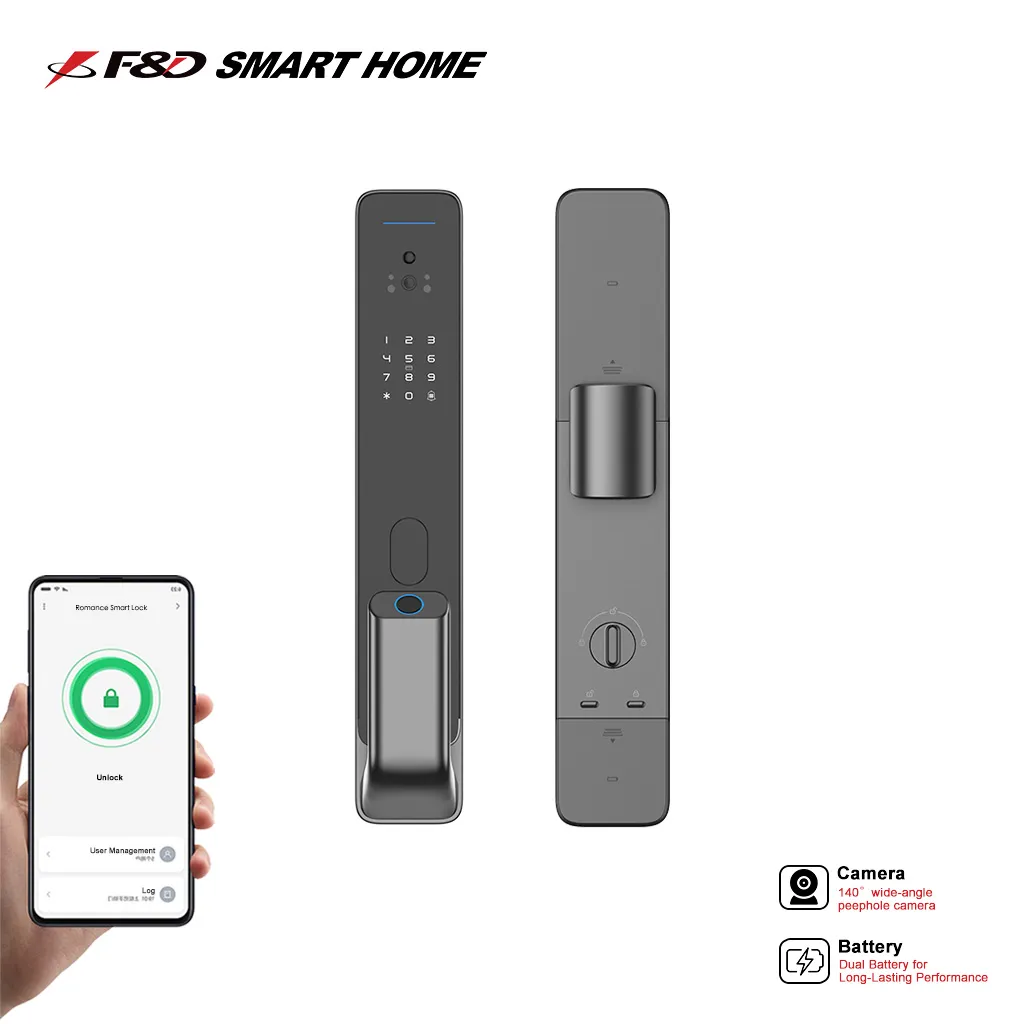
Example scenario: a property operator deploys ODM variants with Matter for unified commissioning across hubs, later transitioning to OEM‑level firmware to optimize battery life and add role‑based access. Security policies reference consumer IoT guidance and device baselines. CSA Matter · NISTIR 8259 · ETSI EN 303 645
Association & Extension
To explore deep‑dive guidance on interoperability and certification planning, contact our customization team for a tailored roadmap.
In smart door locks and home automation, SHENZHEN FENDA SLIM HOME CO.,Ltd is committed to enabling OEM/ODM engagements—spanning mechanical and electronics design, firmware, connectivity, and scalable manufacturing—to help industry stakeholders deploy Intelligent Door Lock solutions with strong security and compliance.
Common Questions
Question: Is OEM or ODM better for smart lock brands aiming for fast launch and long‑term differentiation?
Answer: ODM can shorten time‑to‑market via proven reference designs; OEM suits brands prioritizing unique mechanical, firmware, and security features over the long term. Governance should align with recognized standards such as ISO 9001, consumer IoT security guidance like ETSI EN 303 645, and IoT device baselines per NISTIR 8259.